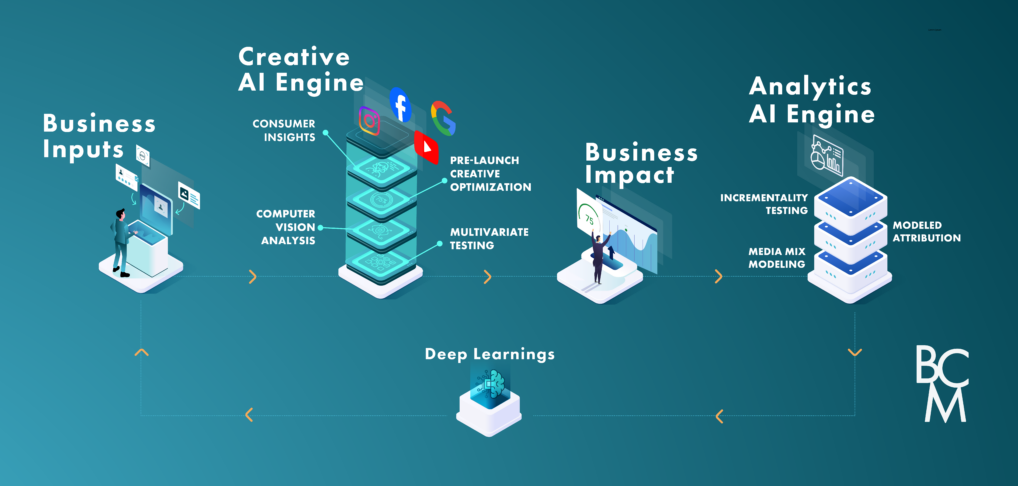
AI In Performance Marketing: How Generative AI Improves Campaign Performance
Discover how generative AI is revolutionizing ad campaigns, enhancing engagement and driving unprecedented ROI.
5 min read

Most mid-market companies aren't innovating—they're imitating. And in today's AI-driven marketing landscape, that's not just ineffective, it's dangerous to your business results.
If you're managing an annual media budget between $500,000 and $20 million, you're caught in a particularly challenging position. You're too big for small business solutions but lack the resources of true enterprise organizations. So what do most companies do? They try to become "enterprise lite"—replicating the same MarTech stacks, CRM systems, and organizational complexity of huge enterprises without generating the revenue acceleration needed to justify the investment.
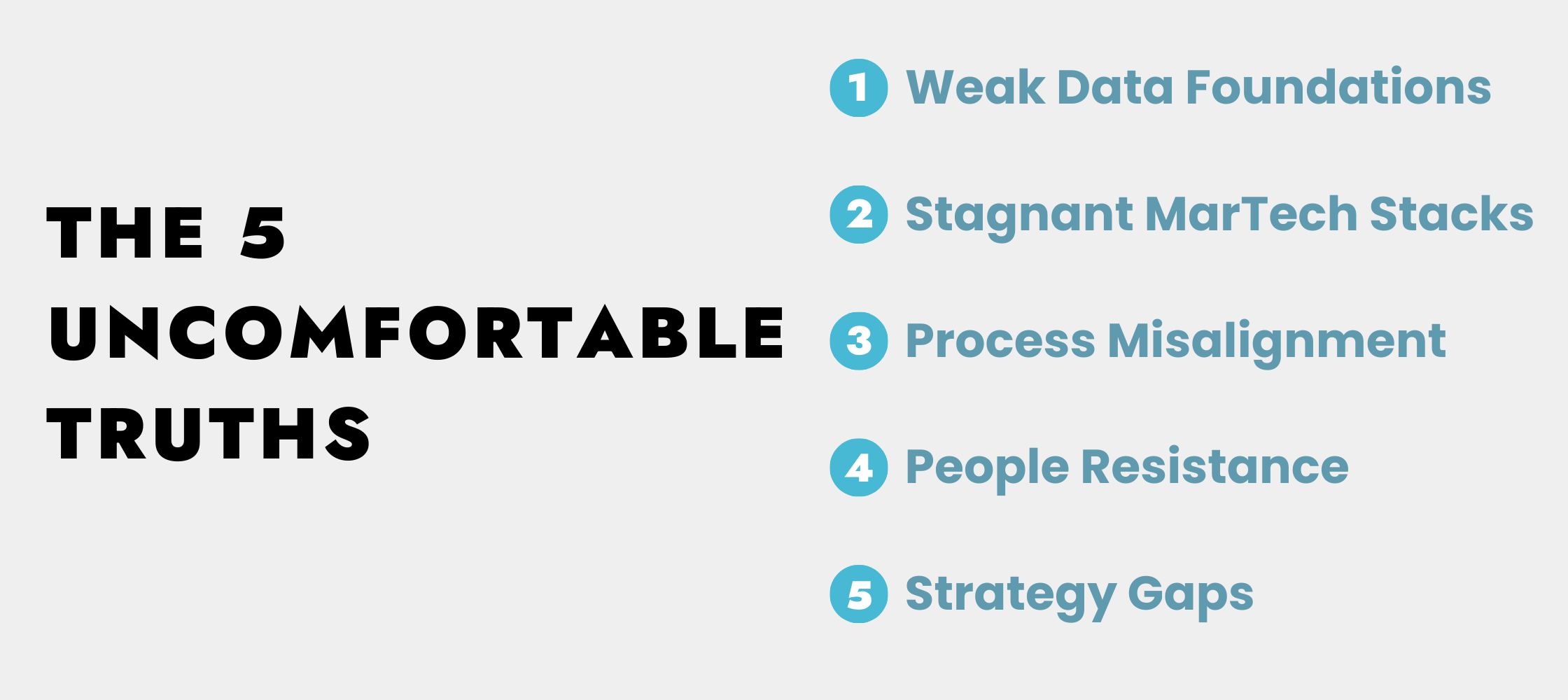
Here's the reality: Innovation doesn't come from imitation. After working with hundreds of mid-size organizations and analyzing billions of dollars in marketing spend, I've identified five uncomfortable truths that are holding most marketing teams back from AI success.
This isn't the comfortable conversation most agencies have with their clients. But if you're ready to hear what's actually preventing your marketing transformation, let's dive in.
The Reality Check: Seventy percent of organizations say they have experienced difficulties with data, including defining processes for data governance, developing the ability to quickly integrate data into AI models, and an insufficient amount of training data.
I recently worked with a CMO who invested nearly $400,000 in AI tools, convinced they would transform her marketing operations overnight. Nine months in, she was still waiting for revenue impact. Why? Because AI needs structure, context, and most importantly, clean, accessible data.
Most mid-size companies have fragmented, inconsistent, or incomplete data. Your CRM is probably full of duplicate entries. Your campaign naming conventions are likely scattered. Your purchase data is probably spread across different systems that don't talk to each other.
The Fix: Before you apply AI, you need to prepare the foundation:
It's not sexy work, but it's essential. Garbage in, garbage out—and that applies to AI as well. Organizations with the best data hygiene practices will dominate in the AI era.
The Reality Check: Stack utilization continues to drop even as martech spending continues to grow, with utilization falling from 58% in 2020 to just 33% in 2024.
Most mid-size organizations don't have a broken MarTech stack—they have a stuck one. You've got tools that should work and certainly once did work, but now they're sitting half-used, full of inconsistent data, and quietly draining time and energy.
What happens next? Some teams panic and start over with new technology. Others double down on process complexity, hoping it masks the stagnation.
The Better Option: Unstick what you already have. AI can help with this transformation. Recently released tools like ChatGPT connectors make it possible to breathe life back into existing systems. Once your CRM data is cleaned up, you don't need to rip and replace—you can reawaken.
Take HubSpot's Deep Research Connector, which lets you query your CRM data with prompts like "list all deals closing this quarter over $15,000" or instantly run AI-powered cohort analysis through the ChatGPT interface—often easier than navigating traditional reports.
The Truth: Your stack hasn't failed—you let it get stuck. But you can unstick it without burning everything down.
This one's hard to say and harder to hear: The very people you're counting on to lead innovation might be blocking it.
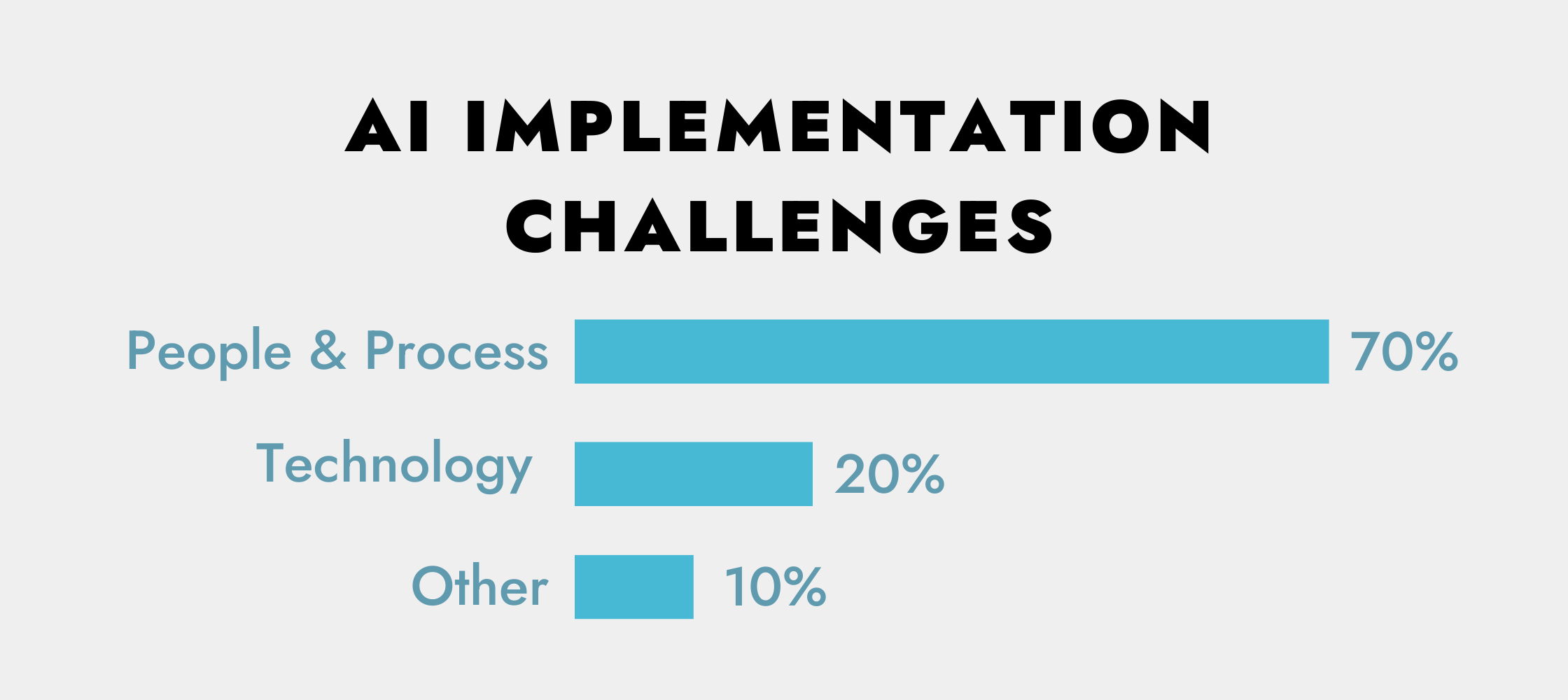
Not because they're not smart, but because they're conditioned by old habits, long planning cycles, departmental silos, and fragile workflows. Around 70% of AI implementation challenges stem from people- and process-related issues, with only 20% attributed to technology problems.
I worked with a brilliant creative director who excelled at organizing traditional campaigns—concepting, planning, producing. But when we introduced AI-driven pre-launch creative optimization, she initially struggled. Not because she didn't understand the technology, but because it challenged everything she was accustomed to about how creative work should be evaluated.
She was uncomfortable with the idea that a machine, armed with performance history from millions of ads, could offer suggestions with better outcomes. But within a few months, she became an AI power user, using these tools to inform everything from initial concept testing to live optimization.
The Shift Required: It's not just about new tools—you need new behaviors, new roles, and new mental models. Progressive organizations are creating roles like "Marketing AI Orchestrator" and "Customer Journey AI Application Specialist." That's what embracing innovation actually looks like: mental shifts, not just technological ones.
The Warning: Remember when a big part of agency value was creating beautiful decks that justified marketing decisions? Those days are ending, if not completely over.
AI can now simulate, model, and present strategic rationale in minutes. While some teams spend weeks building campaign strategies, their competitors use AI to model 50 scenarios and launch in days.
A lot of that strategy work—playbooks, frameworks, pillars (you've got to have pillars!)—used to be essential. Now it's often just unnecessary redundancy.
The Reality: Innovation means moving faster by compressing strategy and execution, eliminating the friction of justification theater. Nearly a quarter (23%) of marketers rate their understanding of AI terms and capabilities at a beginner level, creating opportunities for those who embrace rapid, AI-assisted decision-making.
The Paradigm Shift: AI isn't coming for your team—AI is already on your team. But most mid-size organizations haven't accounted for that in their org charts or agency relationships.
Most teams still run on a task-based model: build a page, send an email, write copy, optimize a funnel. But performance doesn't come from tasks anymore—it comes from systems.
The best marketing organizations today are powered by intelligent, automated, always-on systems infused with AI. Yet too many teams are structured like it's 2012, handing off assets across silos and measuring output instead of outcomes.
The Success Story: One client made the complete shift. Instead of treating conversion like a checklist (landing page, nurture email, SMS reminders), we helped them replatform their entire conversion funnel into an AI-powered system. It now generates content recommendations, runs tests, and re-engages customers largely automatically.
Their team manages the system, not the parts. They guide strategy, monitor performance, and tweak inputs—execution happens automatically.
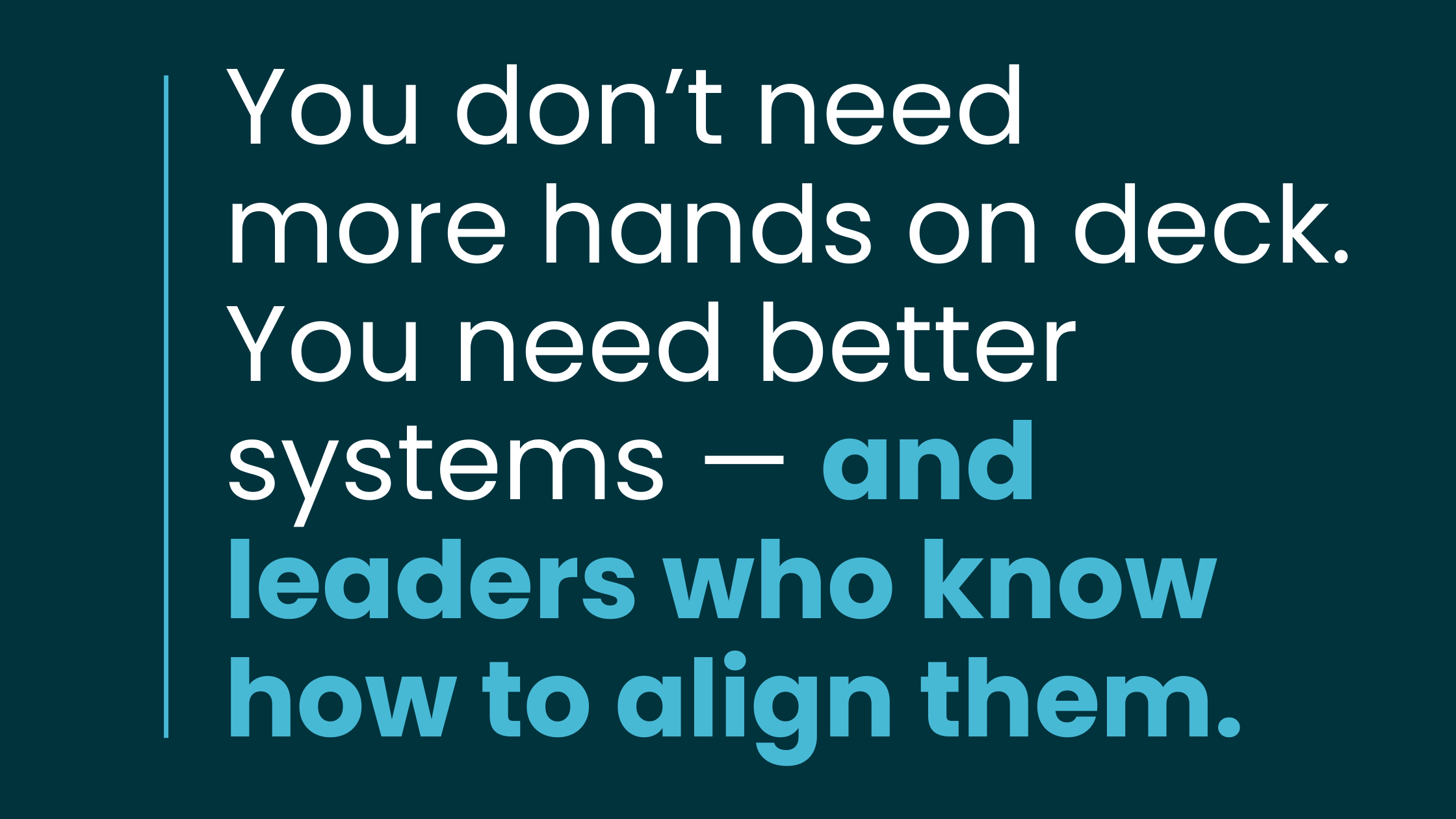
The New Reality: You don't need more hands on deck. You need systems that perform and teams that know how to guide them.
Here's the surprising good news: Mid-size organizations are actually better positioned to innovate than enterprise—if they stop trying to look like enterprises.
You can:
With AI leveling the playing field, success is no longer about who has the most tools or largest teams. Mid-sized companies showed the highest satisfaction rates with their MarTech stacks, suggesting they're finding the sweet spot between capability and complexity.
The Winning Formula: It's about who has the clearest systems and leanest strategy. The companies that win won't be those with the biggest MarTech stacks—they'll be the ones who embrace these truths and build intelligent, agile operations that outmaneuver the giants.
The uncomfortable truths aren't meant to discourage you—they're meant to liberate you from the patterns that are holding you back. Mid-market teams have a unique opportunity right now to leapfrog traditional approaches and build truly innovative marketing operations.
Your competitive advantage lies in:
The question isn't whether AI will transform marketing—it already has. The question is whether you'll be among the mid-market teams that embrace these uncomfortable truths and build the intelligent, agile operations that define the next era of marketing success.
Ready to stop imitating and start innovating? The teams that face these truths head-on today will be the ones setting the pace for everyone else tomorrow.
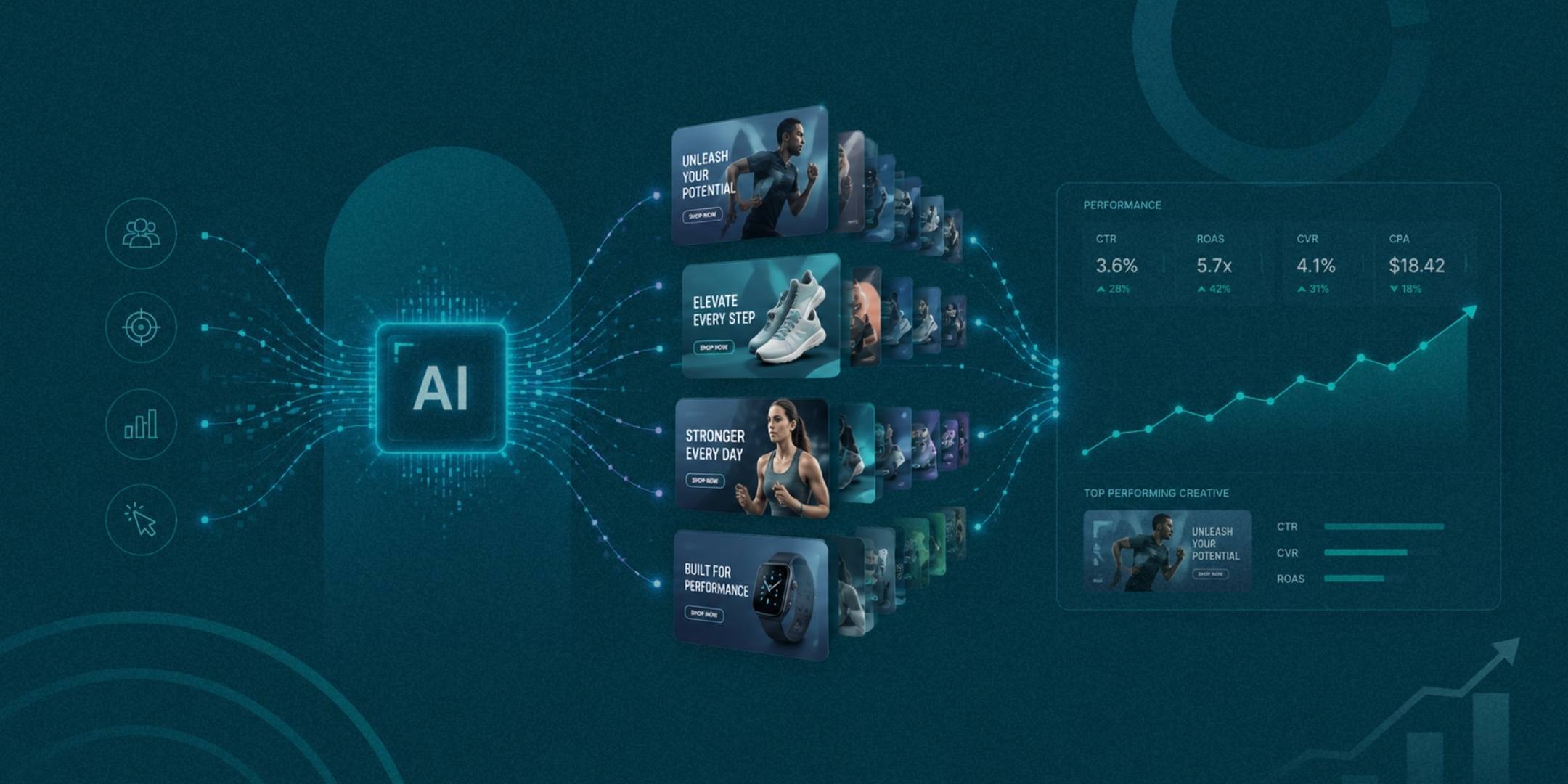
Discover how generative AI is revolutionizing ad campaigns, enhancing engagement and driving unprecedented ROI.

“Do you want to be a millionaire?” For years, this notorious question has had many dreaming about playing and winning a game show. Well, wonder no...